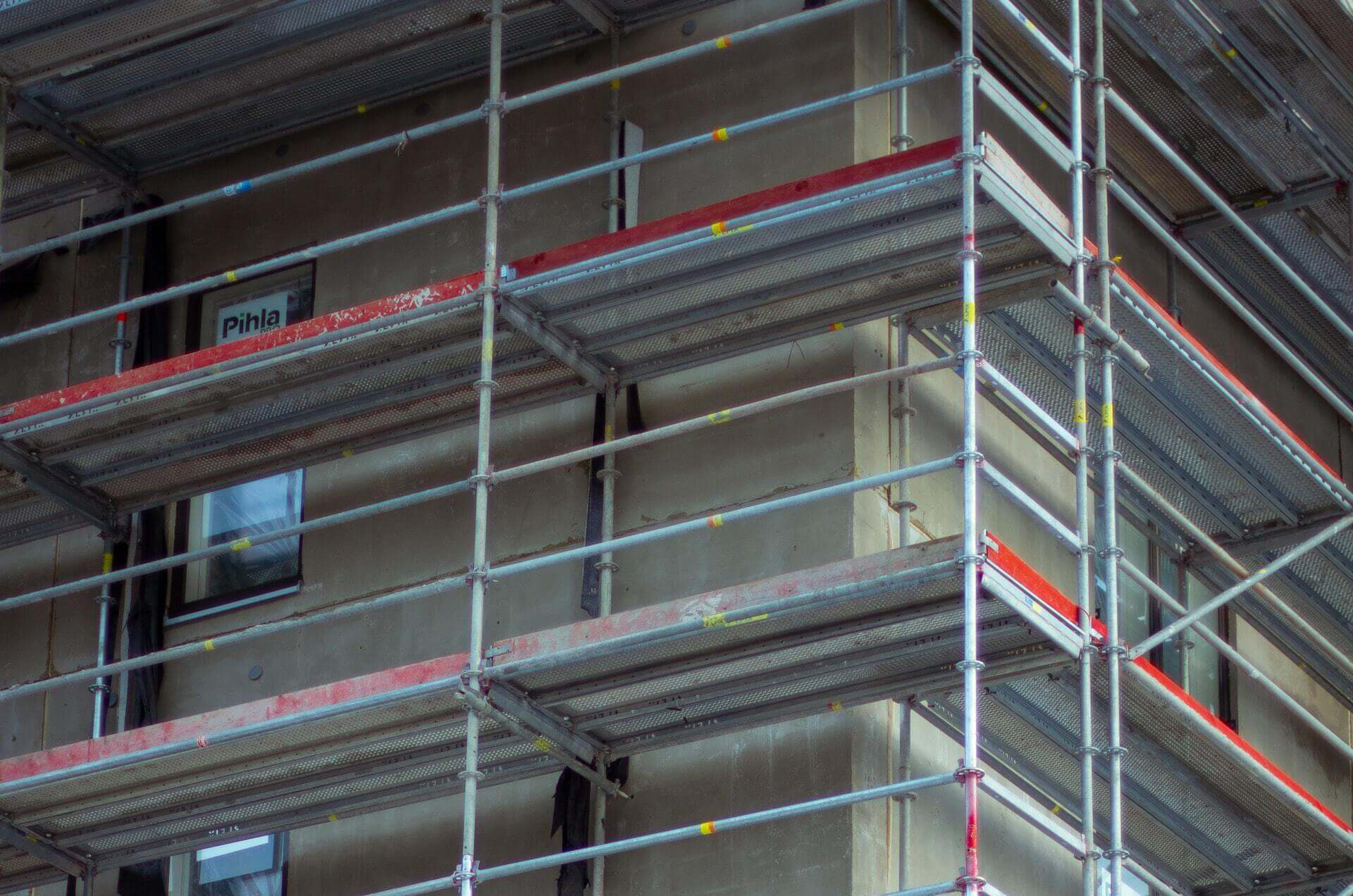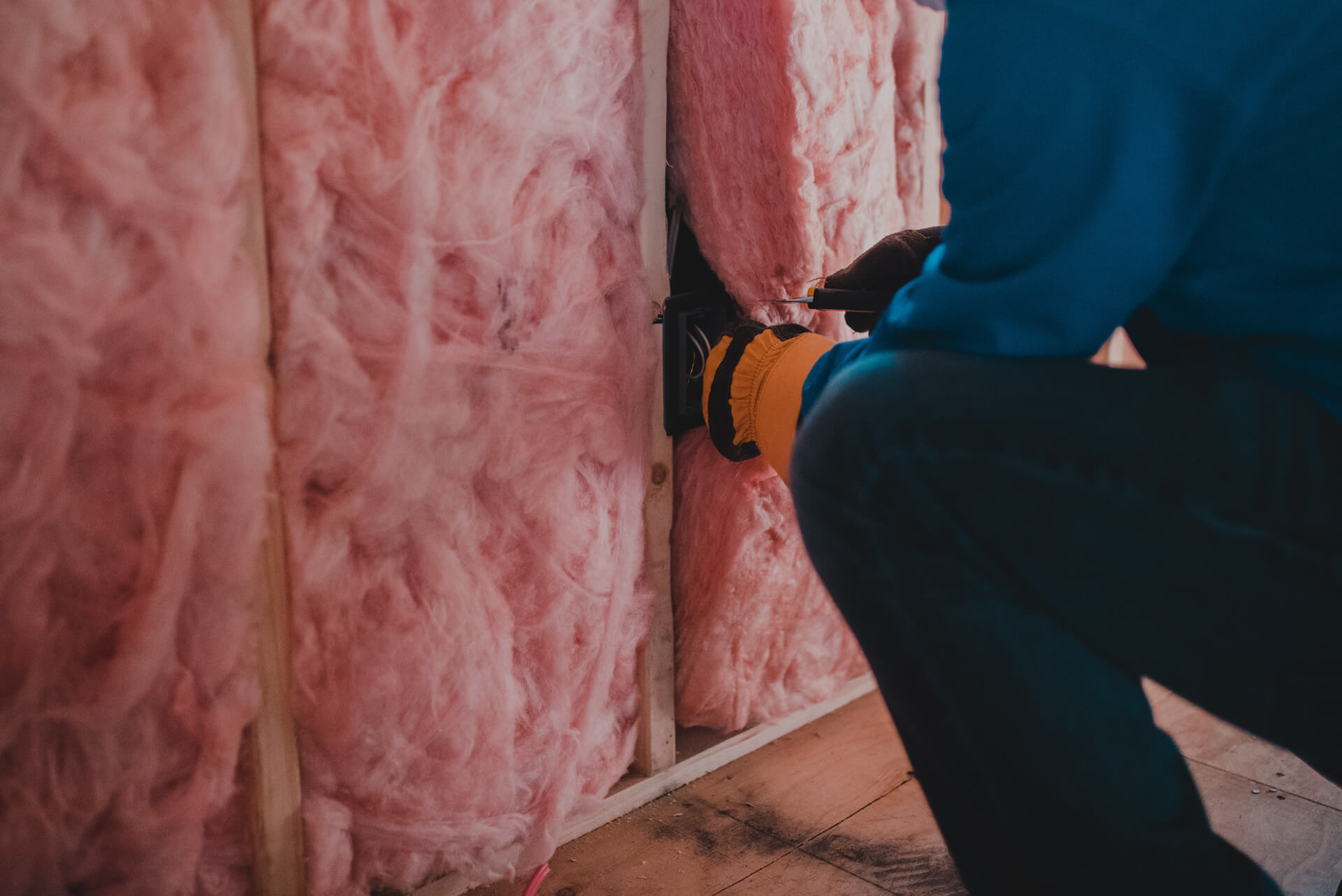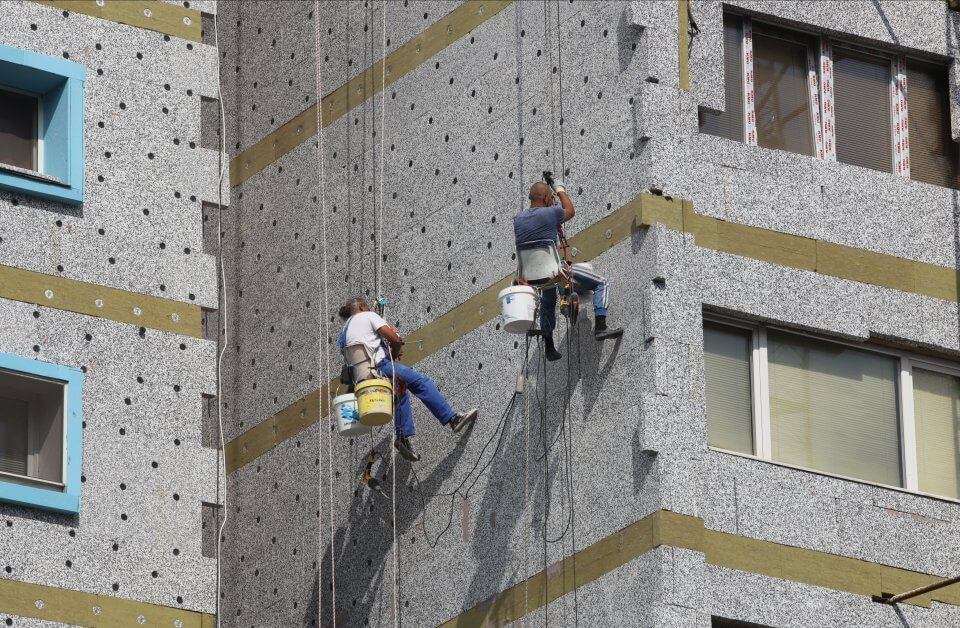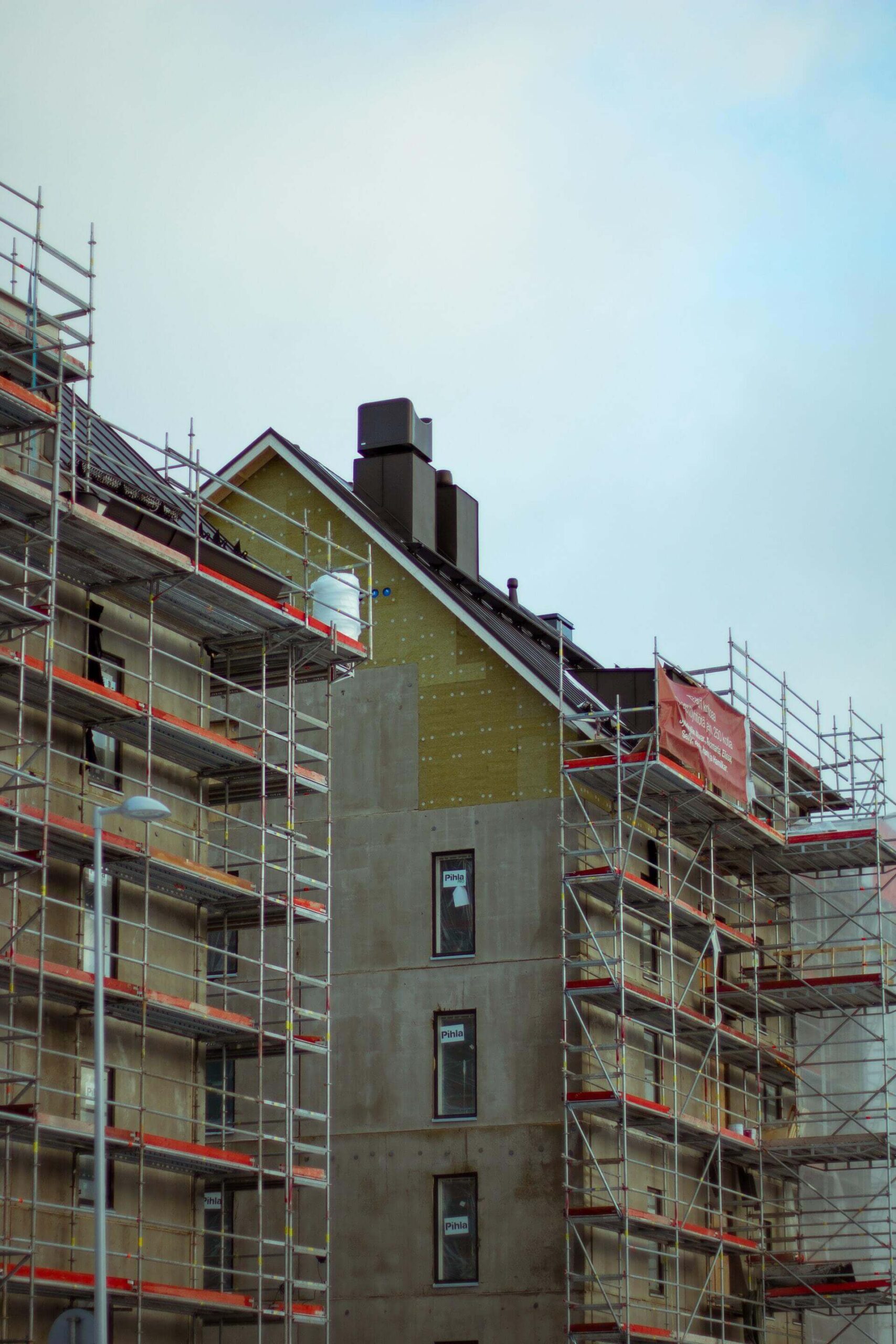
Thermal insulation is a multi-compound system which reduces the heat loss at your home and improves its comfort. It can be done through different technologies with different insulation materials. Frequently used insulation materials are: mineral (rock) wool, extruded polystyrene (XPS) and expanded polystyrene (EPS).
Thermal insulation is solving another problem that is very common for houses that are not regularly heated– condense. The external thermal insulation helps increase the temperature of the walls, where in a room with normal humidity, condense can decrease or disappear entirely. Although the insulation is mainly used to prevent heath losses, it is also a great soundproofing tool and keeps the house cooler during the hot summer months.
External or internal insulation – This is a very common question, where the insolation should be installed. The internal one is easier to be constructed and cheaper than the external one, but there are a few disadvantages as well – it makes the room smaller and it does not resolve the problem with condense. The condense just moves back – between the insulation and the wall and with time the insulation sheet gets filled with water (especially EPS) or it gets out through the joints of the separate insulation sheets. The only correct place for the insulation is right next to the coldest place of the house – outside. This way the temperature is rising smoothly from outside to the inside and the internal surface of the wall has a temperature close to the one of the air. The external insulation also improves the temperature curve of the wall, which guarantees its sustainability. For an insulation to be fully effective, we recommend to install an internal insulation with thinner material such as depron, cork panels, insulation wallpaper, etc. This ensures faster heating of the room and lower loss of the heat, when there is variable heating in the house in general, although it is losing the accumulative effect of the walls. Another good reason to have an internal insulation is the fact that many apartments in a building are not using any heating regularly which is causing a heat loss towards them if you don’t have an internal insulation.
Where the insulation should be – the answer is logical – right where we are losing heat and where condense is – as a rule those are the outside walls. But for a home to be effectively isolated, you need to consider the different elements – walls, ceilings, floors and windows. It is recommended to have the insulation on all of the outside walls. The internal insulation can be practically put everywhere – the more, the better. Another place in the house where you can lose heat is the floor – the cold terracotta and stone floors are not a good isolator. The parquet, the wooden floor and the different fabric floors are the better choice. The floor insulation can be put with XPS, where you can make the coating of 2 cm, and after that the terracotta and the stone can be glued on – The only problem is that this usually changes the floor level. Another “big hole” where you can lose heat in the house is the windows – this is the coldest part of the house during the winter (Except the fridge).
Many people have recently changed their old window frames with a new aluminum or PVC ones. The joinery profiles have a great advantage, that they are closing very tight and are also a great sound insulation. The problem with the plastic and more importantly the aluminum is that they both have a worse insulations capabilities than the wood, which leads to condense on the frames. This problem has its solution with the help of a different systems of thermal bridges and multi-chamber hollow profiles. Although another problem is the glass package itself – the distance between the two window glasses is only 24 mm, which is even less than the distance of your old window frames, which during the cold winter months leads to a lot of water on your windows. This problem can only be solved by increasing the distance between the two window glasses, which automatically leads to wider frames and more expensive joinery. Some of the glass packages are full of inert gases, which increases their insulation capability, but sometimes they can depressurize and the gas can leak. Our advice is to trust an established manufacturer and if you have the option – to buy one with more quality even though more expensive, it is an investment for the future after all. To decrease the heat losses that comes through the windows you can invest in different blinds and roller shutters and even though they cannot stay shut during the day, they are a very good decision during the night. Recently the market offers the so called k-glass, which has the ability to keep the infrared radiation.
External insulation
Advantages:
- Does not eliminate the heat exchange of the walls. They distribute the heat and quickly stabilize the temperature in cases of shorter or longer periods of cool-down in the rooms;
- Steam permeability. So called “breathing” of the walls. (If it is done with the proper insulation materials). This means, that the water vapor will freely pass through the wall and will not be retained and will not grow mold. (According to some sources the water vapor is around 80-100 ml/m2 of the external wall in winter conditions. The vapor moves from warm toward cold.);
- The freezing point is in the insulation (outside) and not in the wall. This means “warm front”- the materials in it are not exposed to freezing and this prevents their destruction from eventual freezing.
- Solid walls inside the building. The walls are not soft and hollow. This allows all kinds of mounting and drilling.
Disadvantages:
- Usually, although not always, the price of the external insulation is much higher;
- Slower warming of the rooms- within several hours.
Internal insulation
Advantages:
- Relatively lower price;
- Faster warming of rooms, which are not regularly heated.
Disadvantages:
- “Cold front”- the materials in it are subject to “freezing-thawing” cycle and could be destructed, because the freezing point is in the insulation inside, and the wall is outside in the cold;
- There are non-insulated areas at the ends (if there are such) that are compromising the insulation- thermal bridges;
- There is no stored heat in the walls for fast stabilization of the temperature in case of “shock” airing and the related discomfort;
- Condensation and growth of mold;
- Soft (or “hollow”) walls;
- Need of excellent ventilation and constantly airing.